
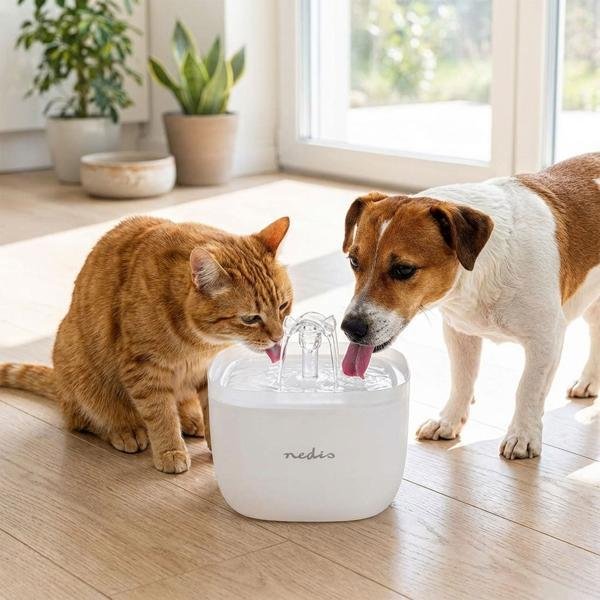
Are Pet Water Fountains Worth It? Pros, Cons & Buying Tips
Discover the benefits and drawbacks of automatic pet water fountains, how they work, and what to consider before choosing one for your cat or dog.
Are Pet Water Fountains Worth It? Pros, Cons & Buying Tips
Discover the benefits and drawbacks of automatic pet water fountains, how they work, and what to consider before choosing one for your cat or dog.
Introduction
Providing fresh, clean drinking water is one of every pet owner’s most important responsibilities. While a traditional water bowl works well for many cats and dogs, automatic pet water fountains offer another option for households that want to make everyday pet care more convenient.
These devices circulate water with a small pump, and many models include filters that capture hair, food particles, and other debris. Some pets are attracted to moving water, so a fountain may be worth considering for owners whose animals like drinking from running taps.
But are automatic pet water fountains really worth the investment? Do they offer meaningful advantages over ordinary water bowls, and what should you consider before buying one?
In this guide, we explore the benefits, drawbacks, different types, and essential buying tips to help you make an informed decision for your furry companion.
What Is an Automatic Pet Water Fountain?

An automatic pet water fountain is a device that keeps drinking water circulating rather than allowing it to remain completely still in a bowl.
Most models contain three main components:
-
- Water reservoir: Holds the drinking water.
-
- Pump: Circulates water through the fountain.
-
- Filter: In compatible models, helps capture hair, debris, and certain impurities.
Some fountains produce a gentle stream, while others create bubbling water or a small waterfall. More advanced models may offer adjustable water flow, low-water indicators, cordless operation, or app-based monitoring.
Although these features can make water access more convenient, not every pet needs a fountain. A clean bowl filled with fresh water remains a suitable choice for many animals.
Benefits of Automatic Pet Water Fountains
1. They May Encourage Some Pets to Drink
One of the main reasons owners consider a fountain is the movement of the water.
Some cats enjoy drinking from taps or watching water flow. A fountain may appeal to these animals and encourage them to use a designated drinking area.
However, preferences vary considerably. Research does not establish that every cat or dog will drink more from a fountain than from a bowl.
Tip: If your pet seems interested in running water, consider introducing a fountain while keeping a clean traditional bowl available.
2. They Help Capture Hair and Other Debris
Many automatic fountains include replaceable filters that collect loose hair, food particles, and other debris.
This can help keep visible debris out of the circulating water. However, filtration performance depends on the filter type and the design of the device.
A pet fountain should not automatically be considered a water purifier. Unless the manufacturer specifically verifies a particular capability, do not assume that its filter removes harmful microorganisms or every contaminant.
3. They Can Offer Greater Convenience
Depending on its capacity, a fountain may hold more water than a small drinking bowl and reduce the frequency of refilling.
This can be particularly useful in households with several pets, provided the fountain is large enough for their combined needs.
Nevertheless, daily water checks remain essential. Water should be refreshed regularly, and the reservoir should never be allowed to run dry.
4. They Provide Different Drinking Experiences
Some pets prefer drinking from a stream, while others prefer still water.
Fountains allow owners to offer another drinking option, helping them discover what their pets find comfortable.
A quiet fountain with a gentle flow may suit a cautious cat, while a larger model may be more practical for a bigger dog.
5. They Can Complement a Smart Pet-Care Routine
Some modern fountains include low-water alerts, water-level monitoring, or app-connected features.
These functions may help owners monitor the device, particularly when combined with other automated pet-care products such as smart feeders and pet cameras.
However, smart features do not eliminate the need for human supervision, routine cleaning, or a reliable backup water source.
Drawbacks of Automatic Pet Water Fountains
Before buying a fountain, it is important to consider the practical disadvantages.
1. The Initial and Ongoing Costs
A traditional water bowl is generally inexpensive and has few ongoing costs.
A fountain requires an initial purchase, and some models need replacement filters, pump components, batteries, or electricity.
Before buying, check the availability and price of replacement filters. A low purchase price may not represent the best long-term value if compatible parts are expensive or difficult to find.
2. Regular Cleaning Is Essential
Although a fountain circulates water, it does not clean itself.
Hair, saliva, food particles, and slippery residue can accumulate in the reservoir, pump, and narrow channels. These areas need regular attention to keep the device clean.
Choose a model that can be dismantled easily and whose parts can be cleaned thoroughly.
3. Some Pets May Dislike the Noise
The pump may produce a hum or vibration, while falling water can create splashing sounds.
Some animals may be curious about these noises, whereas others may find them unsettling.
If your pet is nervous around unfamiliar objects, consider a quiet model and introduce it gradually.
4. Electricity and Equipment Can Be a Concern
Many fountains need a power outlet, although rechargeable and battery-powered models are also available.
Electrical cords should be positioned safely away from chewing pets and water spills. Follow the manufacturer’s electrical safety instructions.
A pump can also stop working because of a blockage, low water level, or equipment failure. For this reason, it is sensible to keep a clean, accessible water bowl available as a backup.
5. Not Every Pet Needs One
If your cat or dog drinks comfortably from a clean bowl, a fountain may offer little additional benefit.
There is no need to purchase an automated device simply because it is available. Your pet’s preferences, your budget, and your willingness to maintain the equipment should guide the decision.
Automatic Water Fountain vs. Traditional Water Bowl

Which option is best for your pet? Here is a simple comparison.
| Feature | Automatic Fountain | Traditional Bowl |
|---|---|---|
| Water movement | Circulates water | Usually still water |
| Filtration | Available in many models | Usually none |
| Purchase cost | Generally higher | Generally lower |
| Maintenance | Cleaning plus possible filter changes | Regular washing |
| Power requirement | Many models need power | None |
| Noise | Possible pump or splashing sounds | Silent |
| Suitable for most pets | Depends on preference | Yes, when accessible and clean |
Our verdict: A fountain is a useful alternative, not a universal replacement for a traditional bowl. The best option is one that your pet will use consistently and that you can keep clean.
How to Choose the Right Automatic Pet Water Fountain
If you decide to purchase one, consider the following factors before making your choice.
1. Choose the Right Material
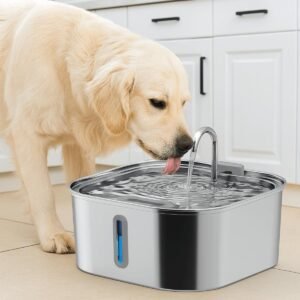
Pet water fountains are commonly made from plastic, stainless steel, or ceramic.
-
- Stainless steel: Durable, easy to clean, and resistant to rust when properly maintained.
-
- Ceramic: Often easy to clean and available in attractive designs, but can be heavy or break if dropped.
-
- Plastic: Usually lightweight and affordable, although it can scratch and may require careful inspection and cleaning.
Look for a well-made product with smooth, accessible surfaces and materials suitable for repeated contact with drinking water.
2. Consider Water Capacity
A small fountain designed for one cat may not be suitable for a large dog or a household with several animals.
Choose a capacity that matches the number and size of your pets, while remembering that actual water consumption varies with diet, activity, temperature, and health.
3. Check the Filtration System
Find out what type of filter the fountain uses and what it is designed to remove.
Some use carbon filters, while others combine several filtration materials. Check the replacement schedule, ongoing costs, and availability of compatible filters.
Remember that filtration does not replace regular water changes or thorough cleaning.
4. Look for Quiet Operation
A quiet pump may be particularly helpful if the fountain will sit near a bedroom or in a calm living area.
Look for clear information about operating noise, and read reviews that discuss pump sounds, vibration, and splashing.
5. Prioritise Easy Cleaning

A good design should be easy to dismantle, wash, rinse, and reassemble.
Check whether the manufacturer provides cleaning instructions and whether individual components are dishwasher-safe. Never assume every part can go in a dishwasher.
6. Decide Whether Smart Features Are Worth Paying For
Some fountains offer app notifications, water-level monitoring, or rechargeable operation.
These features may be helpful for particular households, but they are not essential. Focus first on safe construction, reliable operation, adequate capacity, and easy maintenance.
7. Check the Total Cost of Ownership
Before purchasing, consider the fountain’s price, replacement filters, electricity or battery requirements, and the availability of spare parts.
A slightly more expensive model may provide better long-term value if it is durable and straightforward to maintain.
How to Introduce a Water Fountain to Your Pet
Pets may need time to become comfortable with a new device.
-
- Place it in a familiar location. Choose a quiet, accessible area away from the litter box and busy walkways.
-
- Let your pet investigate. Allow your animal to approach and explore the fountain without pressure.
-
- Keep the old bowl available. Never force your pet to use the fountain or remove its familiar water source immediately.
-
- Start with a gentle flow. If the model allows adjustment, begin with a quieter setting.
-
- Monitor water intake. Check that your pet continues to drink normally during the transition.
If you notice a sudden change in drinking habits or suspect that your pet is not drinking enough, consult your veterinarian rather than relying on a fountain to solve the problem.
How to Maintain an Automatic Pet Water Fountain

Regular maintenance is essential, even when a fountain has a built-in filter.
-
- Refresh the water regularly, ideally every day.
-
- Check the water level and pump operation daily.
-
- Dismantle and clean the fountain according to the manufacturer’s instructions.
-
- Clean the pump and its accessible components as directed.
-
- Replace filters at the recommended intervals.
-
- Inspect the device for cracks, damaged cables, and worn parts.
The cleaning frequency will depend on the fountain design, the number of pets using it, and how quickly debris accumulates. Never rely on a filter alone to keep the fountain clean.
Frequently Asked Questions
Are automatic pet water fountains worth it?
They can be worthwhile for pets that prefer moving water or households that benefit from a larger water reservoir. However, they are not essential for every pet, and some animals prefer ordinary bowls.
Do pet water fountains encourage cats to drink more?
Some cats appear attracted to running water, but not all cats drink more from fountains. Monitor your cat’s individual preferences and keep fresh water readily available.
Are water fountains suitable for dogs?

Yes, provided the fountain is stable, appropriately sized, and easy to maintain. Larger dogs may need a higher-capacity model, and some dogs may prefer a traditional bowl.
How often should I clean a pet water fountain?
Check and refresh the water daily. Clean the fountain and pump regularly according to the manufacturer’s instructions, increasing the frequency if hair, debris, or residue builds up quickly.
Can I leave my pet water fountain running all day?
Only operate the fountain as directed by the manufacturer, with sufficient water and a properly functioning pump. Check the water level and equipment regularly, and keep a separate water bowl available in case of a power failure or breakdown.
Are stainless steel fountains better than plastic ones?
Stainless steel is durable and generally easy to clean. Plastic may be more affordable and lightweight, while ceramic offers another easy-to-clean option. The overall design, condition, and ease of maintenance also matter.
Final Verdict: Should You Buy an Automatic Pet Water Fountain?

Automatic pet water fountains can be a useful addition to a modern pet-care routine, but their value depends on your animal and your household.
They may appeal to pets that enjoy moving water, provide filtration for certain types of debris, and offer convenient features such as larger reservoirs or water-level alerts. On the other hand, they cost more than ordinary bowls, require regular maintenance, and may not appeal to every animal.
Our advice is simple: choose a fountain for your pet’s needs, not just for its technology. If you decide to buy one, look for a safe, quiet, easy-to-clean model with an appropriate capacity and affordable replacement filters.
Above all, ensure that your pet always has access to fresh, clean drinking water.
At AUTOMATED PET CARE, we believe that technology should make responsible pet ownership easier while keeping the comfort and well-being of our furry companions at the centre of every decision.
Happy pets. Smarter care. Happier lives! 
Disclaimer: This article provides general educational information and is not a substitute for veterinary advice. If your pet shows a sudden change in thirst, drinking behaviour, or general health, consult a veterinarian.